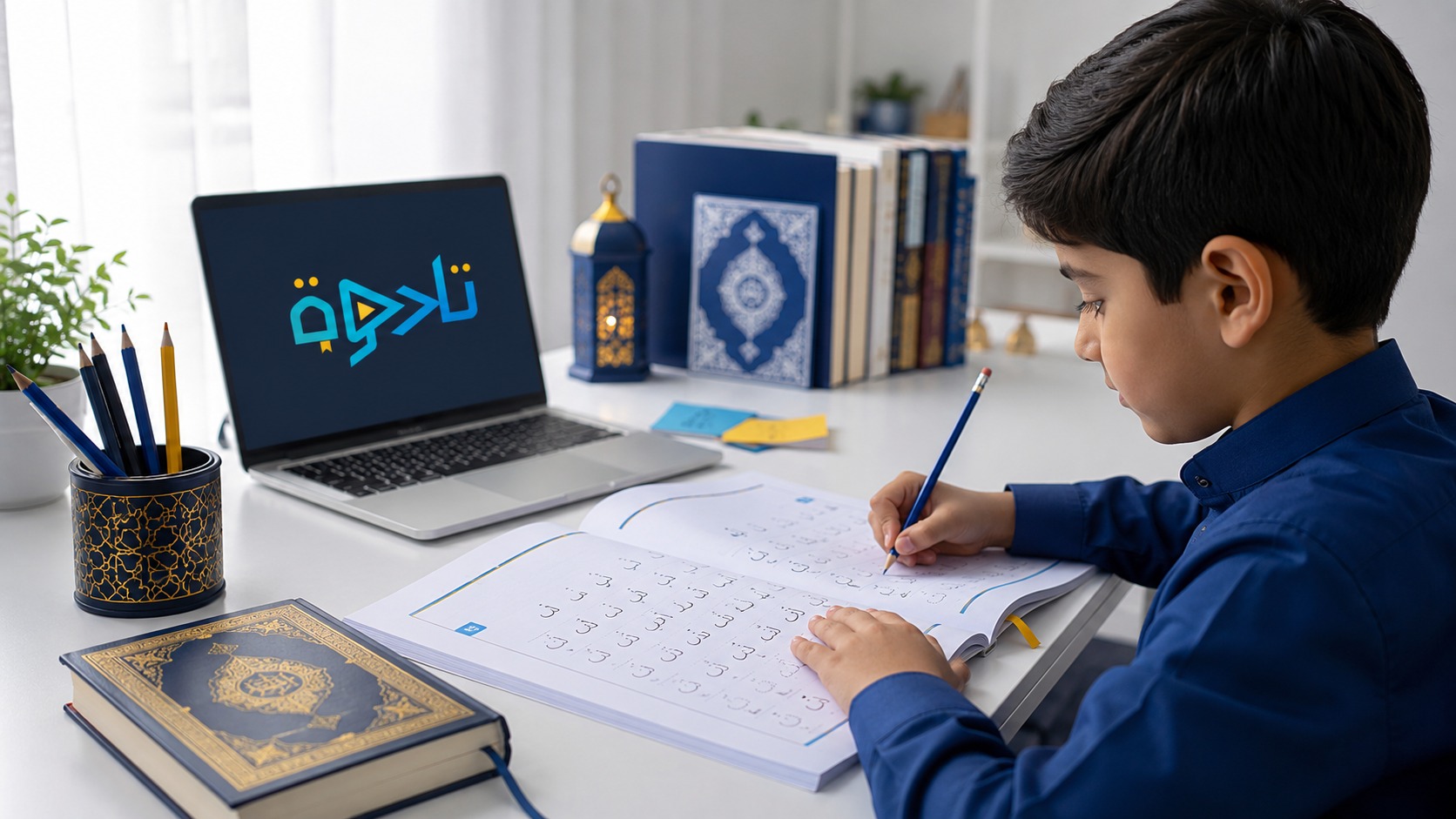
Building Muslim Identity Through Islamic Studies is an important topic for families who want a calm and reliable way to help children learn from home. A good online lesson is not just a video call; it is a guided learning routine with listening, correction, encouragement, and a simple plan parents can understand.
For non-native speakers, learning Identity often works best when the teacher starts from the student's real level. Some children need letter recognition, some need Tajweed correction, and others need confidence to read aloud without fear of mistakes.
The goal is steady progress. A child who studies for a short time every week with a clear review plan can often make better progress than a child who studies for a long session with no structure.
Parents should look for lessons that include a warm opening, a short review, one new skill, guided practice, and a clear task for the next lesson. This keeps the child focused and avoids pressure.

Good teachers also use simple language. They explain the skill, model it, listen carefully, correct gently, and praise effort. This matters especially for children who are shy or who are learning in a second language environment.
Why this topic matters
- Children living in the USA, Canada, the UK, France, and other Western countries may not hear Arabic or Quran recitation every day. Online classes can give them regular contact with Islamic learning.
- A structured program helps parents avoid random learning. Instead of moving from one app to another, the student follows a path that connects reading, recitation, meaning, manners, and confidence.
- The best results come when the home routine supports the class. Five minutes of review after the lesson can make the next class easier and more productive.
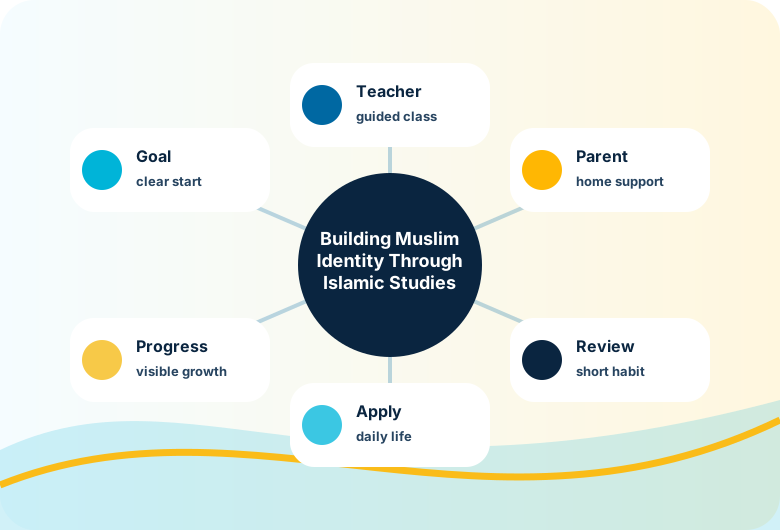
This step becomes more useful when it is repeated gently. Families should keep the routine simple, measurable, and connected to the student level rather than trying to finish too much too quickly.
A simple weekly method
- Start with a realistic goal. For young children, the goal may be reading a few letters correctly, repeating a short verse, or remembering one Islamic manner.
- Keep review short. A small daily routine is easier to maintain than a long session that happens once and then stops.
- Use parent notes. After each lesson, parents should know what was covered, what needs revision, and what the next step will be.
- Celebrate effort. Children need to feel that Quran, Arabic, and Islamic learning are connected to mercy, love, and confidence.
This step becomes more useful when it is repeated gently. Families should keep the routine simple, measurable, and connected to the student level rather than trying to finish too much too quickly.
What parents can ask before starting
- What level will my child start from?
- How will the teacher correct mistakes?
- What should we review between lessons?
- How will progress be shared with parents?
- Is the class suitable for our time zone and school schedule?
This step becomes more useful when it is repeated gently. Families should keep the routine simple, measurable, and connected to the student level rather than trying to finish too much too quickly.
Helpful learning terms
- Quran refers to the words of Allah recited and memorized by Muslims around the world.
- Tajweed means improving recitation by giving letters their correct rights and qualities.
- Arabic helps children recognize letters, words, meanings, and Islamic vocabulary with more confidence.
- Islamic Studies can include Aqidah, Seerah, Hadith, Fiqh, manners, and worship basics.
This step becomes more useful when it is repeated gently. Families should keep the routine simple, measurable, and connected to the student level rather than trying to finish too much too quickly.
Common mistakes to avoid
- Do not overload the child with too much homework after one class.
- Do not compare siblings or classmates. Every child has a different pace.
- Do not skip revision. New learning without review is easily forgotten.
- Do not choose a program only because it is fast. Choose clarity, patience, and consistency.
This step becomes more useful when it is repeated gently. Families should keep the routine simple, measurable, and connected to the student level rather than trying to finish too much too quickly.
A practical home routine
- Choose a quiet corner with good light and stable internet.
- Keep the mushaf, notebook, pencil, and device ready before the class starts.
- Let the child join the lesson a few minutes early so the class begins calmly.
- After the lesson, ask the child to repeat one thing they learned. This makes learning active.
This step becomes more useful when it is repeated gently. Families should keep the routine simple, measurable, and connected to the student level rather than trying to finish too much too quickly.
Suggested next step
The best way to choose the right level is to begin with a short trial lesson. The teacher can listen to the student, identify strengths and gaps, and recommend a realistic route.
Book a free trial lesson
Start with a calm assessment and a clear recommendation for your child.
Subscribe / Book Free Trial on WhatsApp